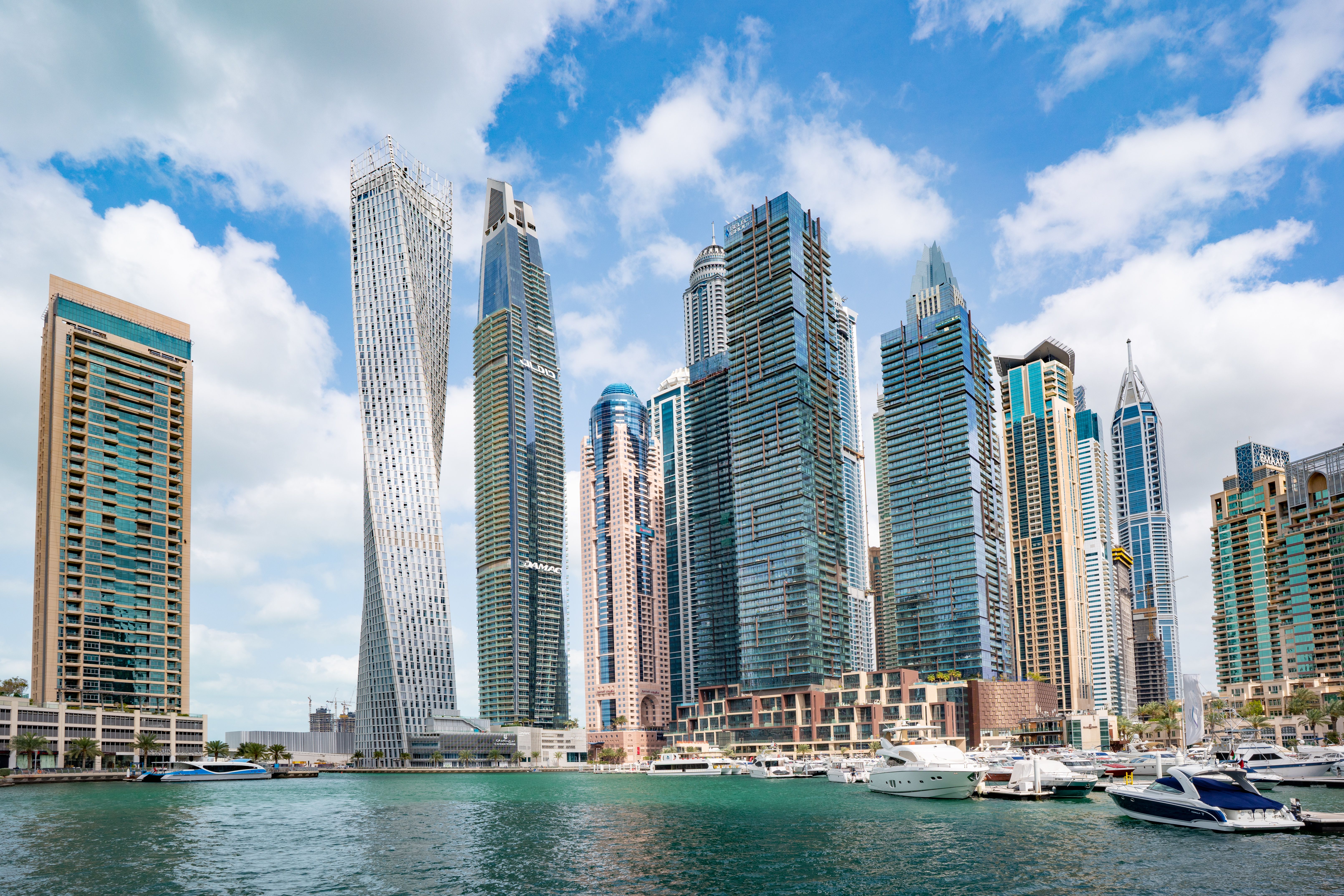
Relocating to the UAE represents one of the most attractive propositions for those seeking a tax-efficient environment with world-class infrastructure. The Emirates has positioned itself as a global hub for commerce, innovation and lifestyle. It draws thousands of founders each year who want to establish residency whilst building or scaling their ventures.
The decision to relocate involves more than simply booking a flight and renting accommodation. It requires careful planning around visa pathways, company formation, banking arrangements, housing and the practicalities of daily life. Understanding the regulatory landscape is essential, particularly if you plan to hold a business licence or want to qualify for tax-free status under UAE law.
Many founders approach relocation with questions about timelines, costs and compliance. The UAE offers multiple entry routes depending on your business structure, investment capacity and family circumstances. Whether you are a solo entrepreneur launching a consulting practice or a corporate executive opening a regional headquarters, the framework exists to support your goals.
Why global founders choose the UAE

The UAE’s appeal lies in its zero personal income tax regime, robust legal protections and strategic location. Dubai and Abu Dhabi host thriving communities of expatriates from over 200 nationalities, creating a cosmopolitan environment where business networks form quickly. The country’s infrastructure supports rapid company formation, with free zones offering 100% foreign ownership and streamlined licensing processes.
Beyond taxation, the Emirates provides political stability, a transparent regulatory environment and access to modern banking facilities. Real estate options range from affordable studios to luxury villas, and international schools cater to families from every region. English is widely spoken in business settings, and the legal system recognises contracts and commercial agreements with clarity.
Visa categories and residency pathways
UAE residency options span employment visas, investor visas, golden visas and family sponsorship arrangements. Employment visas tie to a local employer or your own company, typically offering two or three-year validity. Investor visas require ownership of property or a business entity and can extend to five or ten years under certain conditions. The golden visa programme grants long-term residency to entrepreneurs, investors, specialists and outstanding students, providing stability for those who meet the eligibility criteria.
Choosing the right pathway depends on your business model and personal circumstances. Solo consultants often start with a free zone company and employment visa, whilst families may prioritise the golden visa for extended security. Each route carries specific documentation requirements, from passport copies and photographs to proof of funds and educational certificates.
Selecting the appropriate free zone or mainland structure
The UAE hosts over 40 free zones, each targeting different industries and offering distinct licensing packages. DIFC and ADGM serve financial services and regulated activities, whilst DMCC focuses on commodities, trade and general commercial ventures. IFZA attracts technology and consulting businesses with competitive pricing and efficient processing times.
Mainland companies allow you to trade directly with the UAE market without a local service agent, but some activities still require a UAE national partner. Free zone entities restrict onshore trading but provide full ownership and typically faster setup. Your choice should align with your target customer base, revenue model and growth plans.
Choosing the right free zone involves evaluating licence costs, office requirements, visa quotas and renewal fees. Some zones mandate physical office space, whilst others accept flexi-desk arrangements or virtual offices. Visa allocations vary, with basic packages offering two or three visas and premium packages permitting higher headcounts.
Banking arrangements for new residents
Opening a corporate bank account in the UAE can take several weeks and requires thorough documentation. Banks request company formation certificates, memorandum of association, business plans, passport copies, proof of address and source of funds declarations. Opening a corporate account becomes smoother when you prepare these documents in advance and present a clear business model.
Personal banking follows similar processes, with banks requiring residency proof, salary certificates or business ownership documents. Some institutions offer premium accounts with dedicated relationship managers, multi-currency facilities and preferential rates. Comparing offerings across banks helps you secure the best fit for your financial needs.

Securing accommodation and setting up utilities
Rental markets in Dubai and Abu Dhabi offer apartments, townhouses and villas across price brackets. Tenancy contracts typically span one year and require payment in one to four cheques, depending on negotiation. Landlords request post-dated cheques, passport copies and residency visa details before handing over keys.
Popular residential areas include Dubai Marina, Downtown Dubai, Business Bay, Arabian Ranches and Abu Dhabi’s Al Reem Island. Proximity to schools, offices and transport links influences rental prices. Furnished units command higher rents but eliminate the need to purchase appliances and furniture immediately.
Utility connections for electricity, water and internet are straightforward once you hold a tenancy contract. The Dubai Electricity and Water Authority and Abu Dhabi’s equivalent handle registrations online or at service centres. Internet providers include Etisalat and du, both offering fibre packages with competitive speeds. Registering utilities in your name requires a refundable deposit and copies of your tenancy agreement and Emirates ID.
Obtaining your Emirates ID and health insurance
The Emirates ID serves as your primary identification document and is mandatory for residents. Applications begin at typing centres or online portals, where you submit biometric data, passport photographs and visa copies. Processing takes approximately two weeks, and the card must be renewed in line with your visa validity.
Health insurance is compulsory for all UAE residents under federal law. Employers typically provide coverage, but business owners must arrange policies independently. Insurance tiers range from basic plans covering essential medical services to comprehensive packages including dental, optical and maternity care. Comparing plans before committing ensures you select adequate coverage without overpaying for features you won’t use.
Enrolling children in schools and nurseries
Families relocating to the UAE prioritise securing school placements for their children, as international schools follow British, American, IB and other curricula. Popular institutions include Dubai British School, GEMS schools, Repton and the American School of Dubai. Admission processes require academic transcripts, passport copies, visa documents and application fees.
School fees vary widely, from affordable community schools to premium institutions charging over 80,000 dirhams annually. Waiting lists exist for top-tier schools, so applying well before relocation increases your chances of enrolment. Many schools offer sibling discounts and payment plans spread across three terms.
Nurseries and early years centres cater to toddlers and pre-schoolers, with options ranging from home-based setups to large facilities with outdoor play areas. Ofsted-rated nurseries and Montessori-inspired programmes attract expatriate families seeking familiar educational philosophies. Registration fees, monthly charges and deposit requirements should be clarified during initial visits.
Understanding driving licences and vehicle registration
Obtaining a driving licence in the UAE depends on your nationality and existing licence status. Citizens from certain countries can exchange their home licences directly, whilst others must complete theory and practical tests through accredited driving schools. The Roads and Transport Authority in Dubai and equivalent bodies in other emirates oversee licensing.
Driving tests assess parallel parking, road signage recognition and general vehicle handling. Passing rates vary, and some applicants require multiple attempts. Hiring a private instructor outside official driving schools can supplement lessons and build confidence before test day.
Vehicle registration involves purchasing a car, arranging insurance and completing documentation at traffic departments. Used car markets in Dubai offer competitive pricing, and dealerships provide financing options for new vehicles. Annual registration renewals require valid insurance, passing emissions tests and settling outstanding fines.
Tax residency and economic substance requirements
Becoming a UAE tax resident unlocks access to double tax treaties and zero personal income tax on employment and investment income. Tax residency depends on spending at least 183 days per year in the UAE or maintaining a permanent home and centre of economic interests in the country. Documentation proving residency includes utility bills, tenancy contracts and Emirates ID copies.
Obtaining a tax residency certificate from the Federal Tax Authority formalises your status and supports treaty claims in other jurisdictions. Applications require proof of residence, company ownership documents if applicable, and a declaration of worldwide income sources. Processing takes several weeks, and the certificate remains valid for one year.
Economic substance regulations apply to free zone and offshore entities engaged in specific activities such as holding companies, intellectual property businesses and financing operations. Demonstrating adequate substance involves maintaining premises, employing qualified staff and recording core income-generating activities in the UAE. Economic substance compliance protects your tax-free status and aligns your structure with international standards.
Building a professional network and integrating socially
The UAE’s expatriate community thrives on networking events, industry meetups and social gatherings. Chambers of commerce, free zone business centres and co-working spaces host regular sessions where founders and professionals connect. LinkedIn groups and WhatsApp communities facilitate introductions and collaboration opportunities across sectors.
Social integration benefits from joining clubs, sports leagues and cultural organisations. Dubai and Abu Dhabi offer golf clubs, rugby teams, running groups and yacht clubs catering to diverse interests. Volunteering through community initiatives or charitable organisations provides meaningful engagement whilst expanding your local network.
Language barriers remain minimal in business districts, but learning basic Arabic phrases demonstrates respect and eases interactions with government staff and service providers. Cultural awareness around dress codes, public behaviour and religious observances helps avoid misunderstandings and fosters positive relationships.
Managing compliance and corporate governance
UAE companies must file annual audits, maintain accurate accounting records and renew licences before expiry dates. Free zone authorities issue renewal reminders, but late renewals attract penalties and may suspend your ability to issue or renew visas. Accounting and bookkeeping services ensure financial records meet regulatory standards and support audit processes.
Corporate governance extends to maintaining registered office addresses, filing beneficial ownership registers and updating company details when shareholders or directors change. Transparent record-keeping protects against compliance breaches and simplifies interactions with banks, auditors and regulators.
Annual visa renewals for employees and dependants require medical fitness tests, Emirates ID renewals and updated employment contracts. Tracking expiry dates across multiple family members and staff prevents lapses that could trigger fines or exit requirements. Many companies engage relocation services or PRO agents to handle visa processing on their behalf.
Accessing healthcare facilities and medical services
The UAE’s healthcare system blends public and private providers, with expatriates primarily using private hospitals and clinics. Major facilities include Mediclinic, Healthpoint, American Hospital and Cleveland Clinic Abu Dhabi. Specialist consultations, diagnostic imaging and surgical procedures meet international standards, and many doctors trained abroad bring global expertise to local practice.
Health insurance networks determine which facilities you can access without upfront payment. Premium plans offer direct billing at a wide range of hospitals, whilst basic plans require co-payments or limit choices to network providers. Understanding your policy’s coverage avoids unexpected expenses during medical emergencies.
Pharmacies stock a broad range of medications, though some prescription drugs require approval from health authorities before import. Chronic conditions necessitate regular consultations to renew prescriptions, and telemedicine services provide remote consultations for minor ailments. Mental health services have expanded in recent years, with counselling and therapy available through clinics and private practitioners.
Preparing for climate and lifestyle adjustments
The UAE’s desert climate brings intense summer heat from June to September, with temperatures exceeding 40 degrees Celsius. Air conditioning is ubiquitous, and indoor malls, offices and homes provide respite from outdoor conditions. Winter months from November to March offer pleasant weather ideal for outdoor activities, beach visits and desert excursions.
Adapting to the climate involves staying hydrated, wearing sunscreen and scheduling outdoor exercise during cooler morning or evening hours. Dust storms occasionally reduce visibility and air quality, prompting residents to remain indoors until conditions improve. Indoor entertainment options include cinemas, restaurants, trampoline parks and escape rooms for families seeking refuge from the heat.
Cultural norms around modesty, public behaviour and alcohol consumption differ from Western countries. Dress codes in malls and public spaces favour conservative clothing, and public displays of affection attract disapproval. Alcohol is available in licensed venues such as hotels and private clubs, but public intoxication and drinking in unlicensed areas lead to fines or legal consequences.
Aston VIP’s role in your relocation journey
Relocating to the UAE involves coordinating multiple processes across company formation, visa applications, banking introductions and relocation logistics. Aston VIP supports founders and business owners through each stage, offering end-to-end guidance tailored to your circumstances. From selecting the optimal free zone and licence type to preparing documentation for banks and government authorities, Aston VIP ensures compliance whilst minimising delays.
The team assists with business setup in Dubai across free zones and mainland jurisdictions, providing clear advice on trade licence options, visa allocations and office requirements. Banking introductions connect you with relationship managers at leading institutions, streamlining account opening and reducing rejection risks. Aston VIP also coordinates property searches, school enrolment support and golden visa applications for clients seeking long-term residency.
Ongoing compliance services cover annual renewals, audit coordination and corporate governance, ensuring your entity remains in good standing with regulators. Whether you operate a DIFC financial services firm, a DMCC commodities trading company or an ADGM regulated entity, Aston VIP delivers practical support grounded in regulatory expertise.
Contact Aston VIP to discuss your relocation plans and receive a tailored roadmap for establishing your presence in the UAE with confidence.