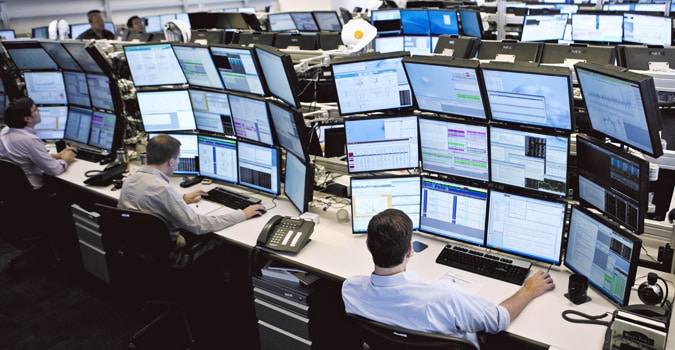
The UAE has become one of the world’s most attractive destinations for digital asset businesses, with free zones offering clear frameworks for crypto over-the-counter (OTC) trading operations. A crypto OTC desk allows high-net-worth individuals and institutional clients to execute large-volume trades without the price slippage common on public exchanges, making it a valuable service in the growing digital economy.
Free zones such as DIFC, ADGM, and DMCC have introduced regulatory frameworks that provide legal clarity for businesses wanting to establish crypto OTC desks. These jurisdictions offer 100% foreign ownership, tax benefits, and access to international banking relationships. For entrepreneurs looking to enter this market, understanding the licensing requirements, compliance obligations, and operational considerations is essential. This guide explains how to set up a crypto OTC desk in UAE free zones, covering everything from choosing the right jurisdiction to meeting ongoing regulatory standards.
What is a crypto OTC desk and why establish one in the UAE
A crypto OTC desk facilitates large cryptocurrency trades directly between parties, typically for institutional investors, corporate treasuries, and high-net-worth individuals who want to execute significant transactions without affecting market prices. Unlike traditional exchanges where orders are matched automatically, OTC desks provide personalised service and negotiate prices privately.
The UAE offers several advantages for crypto OTC operations. The country has positioned itself as a forward-thinking financial hub with modern infrastructure and clear regulatory frameworks for digital assets. Free zones provide purpose-built environments for financial services companies, with streamlined business setup processes and favourable tax structures. The UAE’s strategic location between European and Asian markets also makes it ideal for serving clients across multiple time zones.
Setting up in a UAE free zone gives OTC desk operators access to reputable banking partners who understand the digital asset sector. This is particularly valuable given the banking challenges crypto businesses face in many jurisdictions. The regulatory clarity provided by authorities such as DFSA and FSRA reduces operational uncertainty and helps build trust with institutional clients who require compliance with international standards.
The growing demand for OTC services in the region reflects the UAE’s broader adoption of blockchain technology and digital assets. Major financial institutions are increasingly offering crypto services to clients, and the government has introduced initiatives supporting the digital economy. For businesses ready to meet regulatory requirements, the UAE provides a stable and supportive environment for crypto OTC operations.
Understanding the regulatory landscape for crypto OTC desks
The UAE’s approach to digital asset regulation varies by jurisdiction, with each free zone maintaining its own framework. The DIFC operates under the DFSA’s digital assets regime, which provides comprehensive rules for various crypto activities including OTC trading. The ADGM follows a similar model through FSRA regulations, whilst mainland Dubai has introduced VARA licensing for virtual asset service providers.
For OTC desk operators, the most relevant licence categories typically fall under brokerage or dealing activities. In the DIFC, this might involve a Category 3A licence for arranging deals in investments, whilst ADGM offers comparable permissions through its financial services framework. These licences permit businesses to facilitate trades between buyers and sellers of digital assets, which forms the core function of an OTC desk.
Regulatory requirements extend beyond the initial licence. Firms must implement robust compliance frameworks covering anti-money laundering procedures, know-your-customer protocols, and ongoing monitoring of client transactions. The UAE follows international standards set by bodies such as the Financial Action Task Force, meaning compliance systems need to meet globally recognised benchmarks.
Capital requirements vary depending on the specific licence and jurisdiction. DIFC licences typically require base capital between $50,000 and $175,000, whilst ADGM has similar thresholds. These requirements ensure firms maintain adequate financial resources to operate safely and meet potential liabilities. Understanding these capital obligations early in the planning process helps businesses prepare appropriate funding structures.

Choosing the right free zone for your OTC desk
The DIFC remains the most established financial free zone in the UAE, with a mature regulatory framework and strong international recognition. The DIFC’s advantages for financial services businesses include access to common law legal system, proximity to international banks, and a proven track record in licensing sophisticated financial operations. Many global financial institutions already have presence in DIFC, creating a network effect that benefits new entrants.
ADGM offers comparable benefits with its own common law framework and financial services regulations. The authority has shown particular interest in attracting innovative financial technology businesses, including those working with digital assets. ADGM’s virtual asset service provider framework provides clear pathways for crypto businesses, and the zone maintains strong relationships with international regulators that can facilitate cross-border operations.
DMCC, whilst primarily known for commodities trading, has emerged as another option for crypto businesses through its crypto company setup provisions. The zone offers a slightly different value proposition, with competitive pricing and strong connections to the trading community. For OTC desks focused on specific digital assets or those wanting to combine crypto trading with other commodities activities, DMCC presents interesting opportunities.
Each jurisdiction has distinct advantages depending on your business model. Firms prioritising institutional clients and international recognition often prefer DIFC or ADGM, whilst those seeking lower setup costs or specific operational benefits might consider DMCC. The choice should reflect your target market, planned transaction volumes, and long-term growth strategy. Understanding the nuances of each framework helps you select the jurisdiction that best supports your business objectives.
Licensing requirements and application process
The licensing process begins with determining the precise activities your OTC desk will conduct. Regulators distinguish between different types of crypto services, and your licence must cover all planned activities. An OTC desk typically requires permissions for dealing, arranging deals, or advising on digital assets. Being specific about your business model during the application stage prevents delays and ensures you obtain appropriate permissions.
Regulatory authorities require detailed business plans demonstrating your understanding of the market, risk management approach, and compliance capabilities. The application must include information about key personnel, their qualifications, and their experience in financial services or digital assets. Senior management typically undergoes fitness and propriety assessments, with regulators examining professional history, qualifications, and regulatory track records.
Financial projections form another critical component of applications. Regulators want to see realistic forecasts showing the business can sustain operations and meet ongoing obligations. These projections should cover at least three years and include detailed assumptions about client acquisition, transaction volumes, and operational costs. Supporting documentation might include letters of intent from potential clients or evidence of market demand.
The application timeline varies by jurisdiction but typically ranges from three to six months. This includes initial submission, regulatory review, questions and clarifications, and final approval. During this period, applicants should prepare operational infrastructure including compliance systems, banking relationships, and office premises. Working with experienced advisors who understand the regulatory requirements can significantly streamline the process and improve approval chances.
Building your compliance framework
Anti-money laundering procedures form the foundation of any crypto OTC desk’s compliance framework. The UAE has strict AML requirements aligned with international standards, and regulators expect robust systems for identifying and reporting suspicious activities. Your AML policy must cover customer due diligence, ongoing monitoring, record keeping, and staff training.
Customer due diligence involves collecting and verifying information about clients before establishing business relationships. For OTC desks dealing with large transactions, enhanced due diligence is often required. This means gathering additional information about the source of funds, the purpose of transactions, and beneficial ownership structures. Documentation requirements can be extensive, particularly for corporate clients or complex ownership arrangements.
Transaction monitoring systems help identify unusual patterns that might indicate money laundering or other illicit activities. For OTC desks, this includes setting thresholds for reporting large transactions, monitoring for structuring attempts, and identifying transactions involving high-risk jurisdictions. Modern compliance technology can automate much of this monitoring, but human oversight remains essential for investigating alerts and making decisions about suspicious activity reports.
Record keeping requirements mandate that firms maintain detailed records of all client information and transactions for specified periods, typically five to seven years. These records must be readily accessible for regulatory inspections and investigations. Implementing proper document management systems from the outset ensures compliance and protects the business if questions arise about historical transactions.
Technology infrastructure and operational setup
An OTC desk requires sophisticated technology infrastructure to manage trades, track positions, and maintain compliance records. Core systems include trading platforms for executing transactions, custody solutions for holding digital assets, and compliance software for monitoring activities. These systems must integrate effectively to provide real-time visibility into operations and support reporting requirements.
Custody arrangements represent a critical operational decision. Some OTC desks maintain their own custody infrastructure using cold storage solutions and multi-signature wallets, whilst others partner with licensed custodians. The approach depends on transaction volumes, asset types, and client preferences. Institutional clients often require custody through regulated third parties, making partnerships with licensed custodians valuable for market access.
Trading platforms must support the asset types and transaction sizes your OTC desk handles. Some firms build proprietary systems tailored to their specific needs, whilst others use third-party platforms designed for institutional crypto trading. The platform should provide price discovery tools, settlement mechanisms, and integration with liquidity sources. Real-time reporting capabilities help traders manage risk and respond quickly to market movements.
Office infrastructure in UAE free zones typically involves leasing space in approved buildings and meeting minimum square metre requirements. Free zones offer various office solutions including flexi-desk arrangements, serviced offices, and traditional office leases. The choice depends on team size, client meeting requirements, and budget considerations. Physical presence requirements vary by jurisdiction, with some requiring operational offices whilst others accept virtual office arrangements for smaller operations.
Capital and banking considerations
Meeting minimum capital requirements is mandatory for obtaining and maintaining a financial services licence. The specific amount depends on the jurisdiction and licence category, but OTC desks should plan for initial capital ranging from $50,000 to $175,000. This capital must be maintained throughout operations, with additional capital potentially required as the business grows and transaction volumes increase.
Beyond regulatory minimums, firms need working capital for operational expenses, technology investments, and initial marketing efforts. A realistic budget should cover at least 12 to 18 months of operations, including salaries, office costs, technology subscriptions, and professional services. Undercapitalisation is a common reason businesses struggle, so ensuring adequate funding from the outset supports long-term success.
Banking relationships are crucial for OTC desk operations but can be challenging to establish. Traditional banks remain cautious about crypto businesses, though this is gradually changing as the sector matures. Corporate banking relationships in the UAE often require patience and thorough documentation demonstrating compliance capabilities and business legitimacy. Working with banks experienced in serving digital asset businesses improves approval chances.
Some OTC desks maintain relationships with multiple banking partners to ensure operational resilience. This might include traditional banks for fiat currency operations and crypto-friendly banks or payment service providers for digital asset-related transactions. Diversification reduces dependence on any single relationship and provides backup options if one banking partner changes its policies.
Building liquidity and market relationships
Successful OTC desks require access to deep liquidity pools to execute large trades without excessive slippage. This involves building relationships with other OTC desks, exchanges, and liquidity providers. Many new OTC desks initially act as intermediaries, routing client orders to established liquidity providers whilst building their own market presence and relationships.
Direct exchange relationships provide another liquidity source. Many major cryptocurrency exchanges offer institutional accounts with enhanced features including dedicated support, better pricing, and higher transaction limits. These accounts often require significant documentation and compliance verification, but they provide reliable access to market liquidity across multiple assets.
Over time, successful OTC desks develop proprietary liquidity by maintaining inventory of commonly traded assets. This inventory allows the desk to offer immediate settlement for client trades rather than sourcing assets from external providers for each transaction. Managing inventory requires sophisticated risk management, market making expertise, and adequate capital to support positions.
Market making relationships with institutional counterparties further enhance liquidity access. These relationships involve reciprocal agreements to provide quotes and execute trades, creating a network of trusted counterparties. Building such networks takes time and requires demonstrating reliability, competitive pricing, and professional operations.
Staffing and key personnel requirements
Regulatory authorities require specific key personnel roles for licensed firms, typically including a senior executive officer, a compliance officer, a money laundering reporting officer, and a finance officer. These individuals must meet fitness and propriety standards, demonstrating relevant experience, qualifications, and good character. For smaller operations, one person might hold multiple roles provided they meet requirements for each position.
The senior executive officer holds overall responsibility for the firm’s operations and regulatory compliance. This person should have substantial experience in financial services, preferably including exposure to digital assets or brokerage operations. Regulators assess their technical competence, management capabilities, and understanding of regulatory obligations. Strong candidates often come from traditional financial services backgrounds with additional crypto market experience.
Compliance officers ensure the firm meets all regulatory requirements and maintains appropriate policies and procedures. This role requires detailed knowledge of AML regulations, financial services rules, and digital asset specific requirements. The compliance officer serves as the primary contact with regulators and manages ongoing compliance obligations including reporting, policy updates, and staff training programmes.
Traders executing OTC transactions need deep understanding of crypto markets, including price formation, liquidity dynamics, and settlement processes. Many successful OTC traders come from traditional foreign exchange or commodities backgrounds, bringing institutional trading expertise to the crypto market. Technical knowledge of blockchain technology, wallet operations, and digital asset custody is also essential.
Client acquisition and business development
Institutional clients form the core market for OTC desks, including hedge funds, family offices, corporate treasuries, and high-net-worth individuals. Reaching these clients requires demonstrating regulatory compliance, operational excellence, and competitive pricing. Many institutional investors only work with fully licensed and regulated counterparties, making proper licensing essential for market access.
Business development in the institutional space relies heavily on personal relationships and referrals. Attending industry conferences, participating in blockchain and crypto events, and engaging with the UAE’s financial community helps build visibility and credibility. The region’s active crypto community provides numerous networking opportunities through both formal events and informal gatherings.
Marketing to institutional clients emphasises security, compliance, and professional service rather than aggressive promotion. Key messaging focuses on regulatory status, risk management capabilities, banking relationships, and settlement reliability. Case studies demonstrating successful execution of large trades help build credibility, though client confidentiality requirements limit what can be disclosed publicly.
Pricing competitiveness is important but not the only factor institutional clients consider. Reliability, settlement certainty, and relationship quality often outweigh small pricing differences. OTC desks should position themselves as trusted partners providing valuable services rather than commoditised transaction providers. Building long-term relationships with clients leads to recurring business and referrals.
Ongoing compliance and reporting obligations
Licensed OTC desks must submit regular reports to regulators covering financial performance, client activities, and compliance matters. Reporting frequencies vary by jurisdiction but typically include quarterly financial reports, annual audited accounts, and periodic regulatory returns. These reports require accurate record keeping and robust accounting systems capable of producing required information.
Regulatory fees include initial licensing costs and ongoing annual fees based on business activities and revenues. Fee structures vary by jurisdiction and licence type, with typical annual fees ranging from $10,000 to $50,000 or more for larger operations. Budgeting for these ongoing costs ensures compliance and avoids surprises.
Auditing requirements mandate annual financial statement audits by approved auditing firms. The UAE has specific requirements about auditor qualifications and approval status with free zone authorities. Audit costs vary depending on business complexity and transaction volumes but typically range from $10,000 to $30,000 annually. Planning for these costs in the business budget prevents financial strain.
Licence renewal processes occur annually or biennially depending on the jurisdiction. Renewal requires demonstrating continued compliance with all regulatory requirements, maintaining required capital levels, and updating any changes to business activities or key personnel. Staying current with regulatory communications and maintaining good relationships with supervisory authorities facilitates smooth renewals.
Risk management and operational controls
Market risk management for OTC desks involves monitoring exposure to price movements in held inventory. Significant price swings can quickly erode profits or create losses on positions held between purchase and sale. Many desks use hedging strategies, maintaining positions on exchanges that offset inventory risk, though this requires careful management and understanding of basis risk.
Counterparty risk arises when trading partners fail to deliver assets or payment as agreed. This risk is particularly relevant in OTC trading where settlement periods may extend beyond immediate exchange-based transactions. Conducting due diligence on counterparties, setting exposure limits, and requiring collateral for large transactions helps mitigate these risks.
Operational risks include technology failures, staff errors, and process breakdowns. Robust operational controls, including segregation of duties, transaction approval workflows, and regular reconciliations reduce these risks. Documented procedures for all critical processes ensure consistency and provide training materials for staff.
Cybersecurity represents a major risk area for any digital asset business. OTC desks must implement comprehensive security measures including multi-factor authentication, cold storage for most assets, regular security audits, and incident response plans. Insurance coverage for digital assets provides additional protection, though coverage availability and terms remain limited in the market.
Tax considerations and corporate structuring
The UAE offers zero corporate income tax for most business activities conducted in free zones, making it highly attractive for international businesses. However, the UAE has introduced corporate tax on mainland businesses and certain free zone activities. Understanding which structure qualifies for tax exemptions is essential during the planning phase.
Free zone companies generally benefit from tax exemptions provided they meet qualifying criteria, including not conducting business with the UAE mainland market. For OTC desks serving international clients, this requirement typically poses no challenge. However, detailed structuring advice ensures the business structure optimises tax position whilst meeting regulatory and operational needs.
Value added tax applies to certain business activities in the UAE, though financial services including OTC trading are typically exempt or zero-rated. Registration requirements depend on transaction volumes and types of services provided. Proper VAT planning and compliance prevent unexpected tax liabilities.
International tax considerations affect shareholders and beneficial owners of UAE entities. Many jurisdictions now have automatic information exchange agreements with the UAE, meaning tax authorities in investors’ home countries receive information about UAE income and assets. Understanding these implications and planning appropriate structures protects all stakeholders.
Growth strategies and expansion opportunities
Once operations are established, OTC desks can expand service offerings to capture additional revenue. This might include adding new digital assets, offering custody services, or providing market-making services on exchanges. Each expansion should be evaluated against regulatory requirements, with additional licences or permissions potentially required for new activities.
Geographic expansion represents another growth path. An OTC desk licensed in the UAE can serve international clients, but some operators eventually seek licences in other jurisdictions to enhance market access. Crypto licensing requirements vary significantly across jurisdictions, so careful planning ensures expansion strategies align with long-term business goals.
Technology investment drives operational efficiency as trading volumes grow. Automated trading systems, improved compliance monitoring, and enhanced reporting tools reduce manual work and support scaling. Many successful OTC desks continually invest in technology improvements, viewing them as essential competitive advantages rather than optional upgrades.
Strategic partnerships with other financial services providers create additional distribution channels. This might include relationships with wealth managers who refer high-net-worth clients, corporate services firms working with crypto businesses, or international brokers seeking UAE-based execution capabilities. These partnerships should be formalised through appropriate agreements protecting all parties’ interests.
Common challenges and how to address them
Banking access remains one of the most significant challenges for crypto OTC desks. Despite regulatory clarity in UAE free zones, some banks remain hesitant about serving crypto businesses. Addressing this challenge requires thorough preparation, including detailed business plans, compliance documentation, and evidence of regulatory approval. Persistence is often necessary, as initial rejections are common.
Liquidity access in less commonly traded assets can be challenging, particularly for newer OTC desks. Building relationships with multiple liquidity providers, maintaining exchange relationships, and developing inventory management capabilities helps address this issue. As the business grows, natural market-making opportunities arise that improve liquidity access.
Regulatory changes in the digital asset sector remain frequent as frameworks mature. Staying informed about regulatory developments through industry associations, legal advisors, and direct engagement with regulators helps businesses adapt to changes. Regular policy reviews ensure operational procedures remain compliant with current requirements.
Competition in the OTC space has intensified as more firms enter the market. Differentiation through specialised services, superior client service, or focus on specific market segments helps new entrants compete with established players. Rather than trying to serve all possible clients, many successful OTC desks focus on specific niches where they can deliver exceptional value.
Future outlook for crypto OTC desks in the UAE
The UAE’s digital asset sector continues to mature, with regulatory frameworks becoming more comprehensive and market infrastructure improving. This evolution supports the growth of OTC desks by providing the legal certainty and operational environment institutional clients require. The government’s commitment to positioning the UAE as a global crypto hub suggests continued regulatory support.
Institutional adoption of digital assets is accelerating globally, with traditional financial institutions increasingly offering crypto services. This trend benefits OTC desks in well-regulated jurisdictions like the UAE, as institutional investors prefer working with licensed counterparties operating in recognised financial centres. The UAE’s regulatory framework positions local OTC desks to capture this growing institutional demand.
Regional demand for crypto OTC services is expanding as Middle Eastern investors increase digital asset allocations. The UAE’s position as the region’s financial hub makes it the natural location for serving these clients. OTC desks established now can capture market share as regional demand grows.
Technological developments including improved custody solutions, settlement infrastructure, and trading platforms continue to enhance operational capabilities. These improvements reduce barriers to entry whilst also raising professional standards. Well-established OTC desks with robust systems and compliance frameworks are positioned to benefit from these developments.
Aston VIP’s role in your licensing journey
Navigating the complexities of setting up a crypto OTC desk in UAE free zones requires expertise across regulatory, operational, and practical domains. Aston VIP provides comprehensive support throughout the entire licensing process, from initial jurisdiction selection through to operational launch. Our team understands the specific requirements of different free zone authorities and can guide you through the application process efficiently.
We assist with business plan preparation, regulatory submissions, and ongoing compliance management, ensuring your OTC desk meets all requirements. Our established relationships with free zone authorities, banks, and service providers help streamline the setup process. For entrepreneurs ready to establish a crypto OTC desk in the UAE, contact us to discuss how we can support your licensing journey and operational success.