
The UAE Green Visa has transformed how global entrepreneurs and skilled professionals approach residency in the United Arab Emirates. Introduced in 2022, this five-year self-sponsorship visa allows business owners, freelancers, and qualified employees to live and work in the UAE without traditional employer sponsorship. For founders and consultants seeking business setup in Dubai, understanding these requirements is essential for long-term planning.
The visa programme addresses a critical gap in the UAE’s residency framework by enabling independent professionals to establish their presence without depending on corporate sponsors. This flexibility has made the UAE increasingly attractive to digital entrepreneurs, consultants, and business owners who want to operate from one of the world’s most strategic commercial hubs whilst maintaining complete control over their residency status.
What makes the Green Visa different from traditional work permits
Unlike conventional employment visas that tie your residency to a specific employer, the Green Visa grants independence for up to five years. This means you can change jobs, launch multiple ventures, or pivot your business model without jeopardising your legal status in the UAE. The visa also extends significant benefits to family members, including the ability to sponsor spouses, children up to age 25, and unmarried daughters with no age restriction.
The programme targets three distinct categories of applicants. Self-employed individuals and freelancers must demonstrate financial stability through consistent income streams. Skilled employees working in roles classified under occupational levels one through three by the Ministry of Human Resources and Emiratisation can also qualify. Investors and business partners who meet minimum capital requirements represent the third eligible group.

Core eligibility standards for business owners and freelancers
Business owners seeking the UAE Green Visa must first secure a self-employment permit from the Ministry of Human Resources and Emiratisation. This permit serves as official recognition of your business activities within the UAE. Educational credentials form another pillar of the application, with authorities requiring at minimum a bachelor’s degree or specialised diploma in your field of work.
Financial evidence stands as perhaps the most scrutinised element of the application. Authorities require proof of annual income from self-employment totalling at least AED 360,000 over the previous two years. This translates to roughly AED 30,000 monthly, demonstrating sustainable business operations. If you cannot meet this income threshold, you may alternatively provide comprehensive documentation of financial solvency covering your entire intended stay in the UAE.


Application submission process and required documents
Submitting your UAE Green Visa application involves either the Federal Authority for Identity, Citizenship, Customs and Port Security or the General Directorate of Residency and Foreigners Affairs in Dubai. Both entities maintain online portals accepting digital applications, though some applicants prefer in-person submissions at customer happiness centres for immediate document verification.
Standard documentation includes a passport with at least six months validity, recent passport-style photographs, and your self-employment permit or employment contract. Educational certificates, financial evidence, and business registration documents form the supplementary material. All non-English documents require certified translation into Arabic or English.
Application fees total approximately AED 200 for the visa itself, plus AED 10 each for knowledge and innovation dirhams. Inside-country applications incur an additional AED 500 fee. Medical examinations and Emirates ID issuance generate separate charges. Budget around AED 5,000 to 7,000 for the complete process including associated costs.
Processing times typically range from 48 hours to two weeks for straightforward applications. Complex cases involving multiple business interests or unusual income sources may extend to several months. Incomplete documentation represents the most common cause of delays. Many applicants engaging PRO services benefit from expert document review before submission.
Grace periods and visa flexibility provisions
One standout feature of the UAE Green Visa involves extended grace periods following visa expiry or cancellation. Traditional employment visas grant just 30 days to secure new sponsorship or depart the UAE. Green Visa holders receive up to 180 days, providing substantial breathing room for business transitions or personal circumstances.
This extended grace period proves particularly valuable for entrepreneurs pivoting business models, consultants between major projects, or professionals exploring new opportunities. You can remain in the UAE legally whilst restructuring operations, negotiating new contracts, or establishing additional business ventures. The grace period eliminates the rushed, high-pressure decisions that often accompany traditional visa cancellations.
During grace periods, you retain the right to conduct business activities authorised under your self-employment permit. This continuity enables revenue generation whilst you arrange your next steps, rather than forcing immediate business cessation. The provision reflects the UAE government’s recognition that modern business operations require flexibility and adaptation rather than rigid employment structures.
Family sponsorship rights and dependent benefits
Green Visa holders enjoy comprehensive family sponsorship privileges previously reserved for traditional employment visa holders with senior positions or high salaries. You can sponsor spouses regardless of nationality, children up to age 25 for sons, and unmarried daughters without age restrictions. This represents a significant expansion from conventional visa categories that often cap dependent ages at 18 or 21.
Sponsored family members receive residence visas matching your Green Visa’s five-year duration. They can pursue employment or business activities in their own right, though additional work permits or business licences apply as needed. Educational opportunities throughout the UAE remain fully accessible to sponsored children, from international schools through university programmes.
Visa holders can also sponsor domestic workers, parents, and other relatives subject to meeting additional income thresholds. These expanded sponsorship rights acknowledge the realities of modern family structures and the importance of multi-generational support systems. For many business owners, the ability to relocate entire households without residency complications proves decisive in choosing Dubai as their operational base.
Renewal procedures and maintaining compliance
The five-year validity period of the UAE Green Visa eventually requires renewal. The process mirrors the initial application but demands updated documentation proving continued eligibility. Financial records covering the most recent two years, current business licences, and renewed self-employment permits form the core renewal package.
Maintaining compliance throughout the initial five-year period strengthens renewal prospects considerably. This means consistently meeting income thresholds, keeping business licences current, and avoiding legal violations. Immigration authorities review your complete residency history during renewal, including any visa grace period usage, employment changes, or business restructuring.
Early renewal applications, submitted 90 to 120 days before expiry, help prevent last-minute complications. Processing times for renewals generally match initial applications, but authorities may request supplementary evidence of business continuity or updated financial records. Building strong relationships with accounting and bookkeeping services ensures you maintain the financial documentation necessary for smooth renewals.

Tax considerations and financial planning for visa holders
Whilst the UAE maintains no personal income tax, Green Visa holders must understand various financial obligations impacting their operations. Value-added tax applies to most business transactions, with registration mandatory once turnover exceeds AED 375,000 annually. Corporate tax at nine percent affects UAE-sourced income for businesses earning above AED 375,000, though numerous exemptions and free zone provisions apply.
Residency status for tax purposes extends beyond visa possession. Spending at least 183 days annually in the UAE generally establishes tax residency, making you eligible for tax certificates useful in claiming double taxation treaty benefits. These certificates prove invaluable for business owners with international operations or investment portfolios spanning multiple jurisdictions.
Financial planning should account for the reality that even tax-free environments involve business costs, visa renewal fees, and compliance expenses. Setting aside funds for these obligations prevents the cash flow disruptions that sometimes complicate visa renewals. Professional tax consultancy services help structure operations to maximise the UAE’s favourable tax environment whilst maintaining full compliance.
Banking and financial services access for visa holders
Green Visa status facilitates access to UAE banking services, though financial institutions maintain their own due diligence requirements. Opening personal accounts generally proceeds smoothly with your visa and Emirates ID, whilst business accounts demand additional documentation. Trade licences, business plans, and source-of-funds evidence support commercial banking applications.
Many entrepreneurs explore both mainland and free zone banking relationships. Free zone banks often offer streamlined services tailored to international business owners, whilst mainland banks provide broader transaction capabilities and regional payment network access. Some business owners maintain accounts with both types of institutions to optimise operational flexibility.
The UAE’s position as a global financial hub means corporate banking options extend well beyond traditional high-street banks. Private banking services, investment platforms, and specialised trade finance facilities all become accessible to Green Visa holders with appropriate credentials and deposit levels. Building these financial relationships early in your UAE residency creates foundations for long-term business growth.
Common application mistakes and how to avoid them
Many UAE Green Visa applications stumble over preventable documentation errors. Submitting bank statements without corresponding invoices or contracts raises questions about income legitimacy. Providing educational certificates without proper attestation leads to immediate rejection. Missing translation certifications for foreign-language documents similarly derails applications.
Financial documentation inconsistencies represent another frequent pitfall. Declared income that fails to match tax returns, bank deposits that don’t align with invoiced amounts, or unexplained gaps in earnings history all trigger additional scrutiny. Authorities seek clear, consistent financial narratives demonstrating stable business operations rather than contrived documentation hastily assembled for visa purposes.
Occupational classification confusion affects skilled employee applications particularly. Applying under incorrect occupational levels or failing to secure proper ministry classification before visa submission wastes time and risks rejection. Understanding the classification system and confirming your designation before initiating applications prevents this common error.
Strategic business structures supporting Green Visa applications
Choosing the right business structure significantly influences your UAE Green Visa journey. Free zone companies like those in DIFC or DMCC offer 100% foreign ownership and streamlined regulatory frameworks. These structures particularly suit consultants, technology companies, and professional services firms seeking international client bases.
Mainland companies provide unrestricted access to the UAE market and the ability to conduct business directly with government entities. Whilst historically requiring local partners, recent reforms permit 100% foreign ownership in most sectors. This option works well for businesses targeting the domestic market or requiring physical retail presence.
Some entrepreneurs combine structures, establishing free zone entities for operational efficiency whilst maintaining mainland licences for specific business activities. This hybrid approach demands careful coordination but delivers maximum flexibility. Working with experienced business setup consultants helps navigate the structural complexity whilst ensuring your arrangement supports both business objectives and visa requirements.
Sector-specific considerations for visa applicants
Certain business sectors face additional scrutiny or specific requirements within the UAE Green Visa framework. Financial services, legal practice, healthcare, and education all involve professional licensing beyond basic business registration. These licences typically require ministry approvals, professional association memberships, and specialist qualifications.
Technology and digital businesses generally enjoy straightforward approval processes, reflecting the UAE’s push toward knowledge economy development. E-commerce ventures, software development, and digital marketing agencies typically proceed without sector-specific complications. However, cryptocurrency and blockchain businesses require careful regulatory navigation given evolving frameworks in this space.
Creative industries including media production, advertising, and design benefit from dedicated free zones offering tailored business environments. Dubai Media City, for instance, provides infrastructure and networking specifically supporting creative professionals. Understanding sector-specific options helps optimise your business structure whilst meeting UAE Green Visa requirements.
Transition pathways from other visa categories
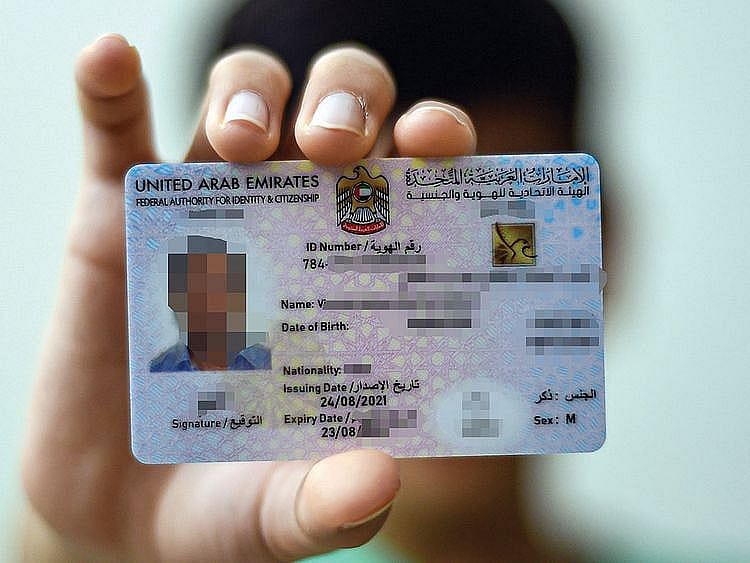
Many professionals already residing in the UAE on traditional employment visas consider transitioning to Green Visa status. This shift requires careful timing and documentation. You must not cancel your existing visa until the Green Visa application receives approval, as gaps in legal status create serious complications.
The transition process involves gathering all required Green Visa documentation whilst maintaining your current employment relationship. Once approved, you can cancel the employment visa and activate the Green Visa. Some applicants coordinate with current employers who support the transition as part of workforce flexibility initiatives.
Investors holding residence through property ownership or business investment may similarly transition to Green Visa status if their circumstances align with the requirements. This often makes sense when the income or professional qualifications basis provides more stable long-term residency than investment-dependent alternatives.
Aston VIP’s role in your licensing journey
Navigating the UAE Green Visa requirements demands expertise across immigration law, business structuring, and financial documentation standards. Aston VIP provides comprehensive support throughout this process, from initial eligibility assessment through final visa issuance. Our team understands the nuances that distinguish successful applications from those facing delays or rejections.
We assist with every documentation element, ensuring your financial records meet scrutiny standards, educational certificates carry proper attestation, and business structures align with both operational needs and visa requirements. Our relationships with government entities enable efficient application processing and quick resolution of any questions that arise during review.
Beyond visa procurement, Aston VIP supports your broader UAE establishment journey. Whether you need banking introductions, accounting infrastructure, or strategic tax planning, our integrated services ensure your Dubai presence rests on solid foundations. Contact our team to discuss how we can streamline your UAE Green Visa journey and set your UAE operations up for long-term success.


